
Elder care notary work is the most rewarding — and the most ethically demanding — corner of the profession. Here is how a 45-year veteran spots coercion, capacity issues, and the moment integrity requires you to decline the act.
Elder care signings — a Power of Attorney in a hospital room, a Trust amendment in an assisted living apartment, a Living Will beside a hospice bed — are sacred work. They are also the highest-risk notarial acts you will ever perform. A signing that goes wrong in this arena is not a corrected page or a bounced package. It is a family battle in probate court, and your journal entry will be Exhibit A.
The Two Questions a Notary Must Silently Ask
Every elder care signing turns on two questions the notary must answer privately, without asking permission from anyone in the room: Does the signer have the capacity to understand what they are signing? And are they signing of their own free will? If either answer is anything other than a firm yes, the notarial act does not happen today.
Signs of Capacity Concerns
- The signer cannot state, in their own words, what the document does.
- The signer cannot recall the name of the person they are naming as agent, trustee, or beneficiary.
- The signer's answers are inconsistent — they name a different person as agent than the one written on the document.
- The signer is heavily medicated, disoriented to time or place, or drifting in and out of the conversation.
- A family member answers questions on the signer's behalf without being asked.
Signs of Undue Influence
- A family member insists on being present in the room during the notarial act after being asked to step out.
- The signer looks to another person before answering basic questions.
- The document was prepared by, or benefits, the person who arranged the appointment.
- The signer is being asked to change beneficiaries, transfer assets, or grant new authority to someone they only recently met.
- The signer expresses reluctance, fear, or confusion when the influencing party is present, but relaxes when they leave the room.
The Exact Wording When You Decline
Declining a notarial act does not require an accusation. It requires calm, professional clarity. I use this phrasing in the field, and it has never failed me:
"Based on my professional judgment as a Florida-commissioned notary public, I am not able to complete the notarial act today. I am happy to return at another time when we can meet under different circumstances. This is not a legal opinion — only my required duty under Florida Statute 117."
— Field-tested decline script — Dr. Gregory Byers
Log the refusal in your journal with the date, time, location, parties present, and the specific reason for declining. That entry is your legal defense.
What You Do Not Do
- You do not report to Adult Protective Services from the signing table. You leave, then evaluate whether a mandatory reporting duty applies under state law.
- You do not argue with the family or the facility staff. You are professional, brief, and gone.
- You do not accept partial payment for a travel visit if you also perform any notarial act. Never mix a partial notarization into a compromised signing.
Why Elder Care Notary Work Matters Anyway
The signings I decline are rare. The signings I complete — a widow finally putting her estate in order, a Marine at hospice signing a Power of Attorney for his son, a woman with early-stage dementia executing a Living Will while she is still clear — those are the moments that make this work sacred. Built on Experience. Grounded in Faith. If you cannot hold both of those tensions at the same time, elder care signings are not your calling.
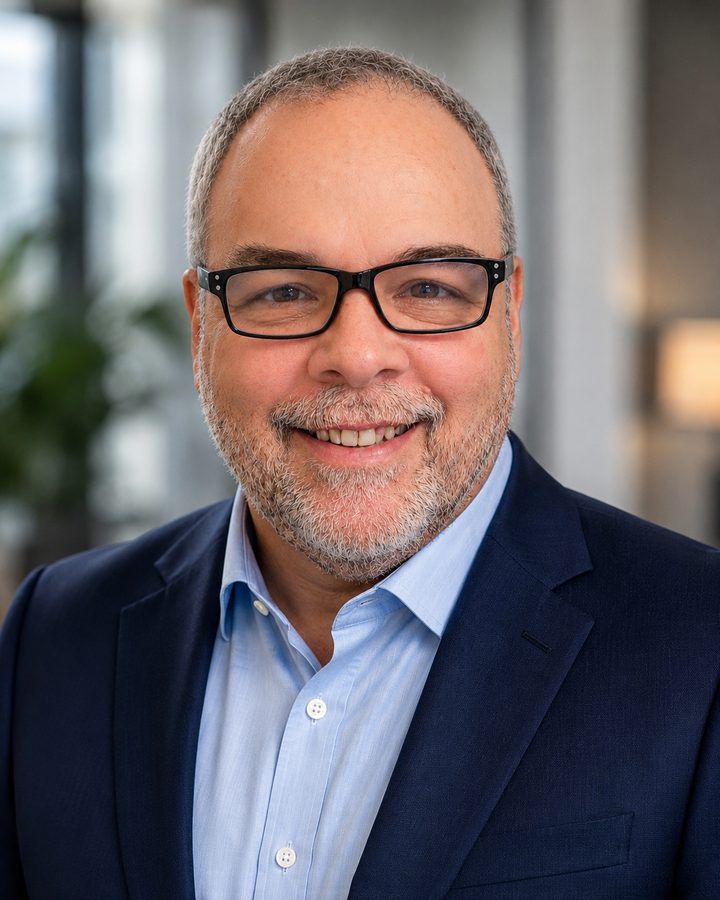
Dr. Gregory Byers
Founder, OGO Notary & Signing Services. 45 years of federal-grade document and operational discipline — Department of Defense, DLA, U.S. State Department. Florida Commissioned Notary Public, NNA-certified Signing Agent, and Ordained Minister. Built on Experience. Grounded in Faith.
More about Dr. Byers