
Remote Online Notarization in Florida grew up in 2025 — and 2026 is the year signing agents who refuse to adopt it get left behind. Here is what has changed, what actually pays, and how to get on the RON platforms lenders trust.
Florida authorized Remote Online Notarization in 2020 under Chapter 117 of the Florida Statutes. Five years later, it is not a novelty — it is a mainstream closing tool. Title companies, lenders, and corporate legal departments now expect signing agents who can handle both mobile and RON work. If you are only offering in-person mobile signings in 2026, you are competing for a shrinking slice of the market.
What Florida RON Actually Requires
- A separate RON commission — you must be registered as an online notary with the Florida Department of State, in addition to your traditional notary commission.
- A $25,000 RON errors-and-omissions bond, in addition to the standard $7,500 notary bond.
- An approved audio-video platform that records the entire session and stores it for at least ten years.
- Two forms of identity proofing: knowledge-based authentication (KBA) plus credential analysis of a government ID.
- A tamper-evident electronic seal and electronic signature.
The Platforms Lenders Actually Use
Do not sign up for a RON platform because a Facebook group told you to. Ask three title companies in your market which RON platform they use before you pay a subscription. Common Florida platforms in 2026 include NotaryCam, OneNotary, Nexsys Clear Sign, and Proof (formerly Notarize). Some are free to notaries and charge the signer; some charge notaries a monthly fee. Choose the one your lenders actually accept.
What RON Signings Pay in Florida
RON signing fees have compressed since 2022. A refinance RON pays between sixty-five and one hundred fifteen dollars depending on the platform and the direct client. Purchases and reverse mortgages remain premium at one twenty-five to two hundred. The economics only work if you schedule several RON sessions in a block, use dual monitors, and never chase small-fee sessions.
Where RON Beats Mobile Every Time
- Snowbirds — a Michigan family closing on a Melbourne Beach condo can meet you at 9am your time from their kitchen table up north.
- Investor closings — busy commercial signers value the twenty-minute Zoom over a two-hour meeting.
- Corporate document signings — a director on a business trip needs one document notarized before Monday. RON solves it in ten minutes.
- Estate planning follow-ups — an out-of-state adult child witnessing a parent's document remotely, still recorded and defensible.
The Skills That Make a Great RON Notary
The technology is only one third of the job. The other two thirds are the exact skills a great mobile notary already has: patience with the signer, calm under a technical hiccup, and a signing-table pace even when you are on a screen. If you are already excellent in person, RON is a matter of certification and gear — not personality.
Getting Started
The Florida Department of State posts the RON application on notaries.dos.myflorida.com. Complete a state-approved RON training course (the NNA and several private trainers offer these), buy the two required bonds, register a platform, and test the entire flow end-to-end before you accept a paid session. My own first RON was a family favor at no charge — do the same. The first live session should never be the first live session.
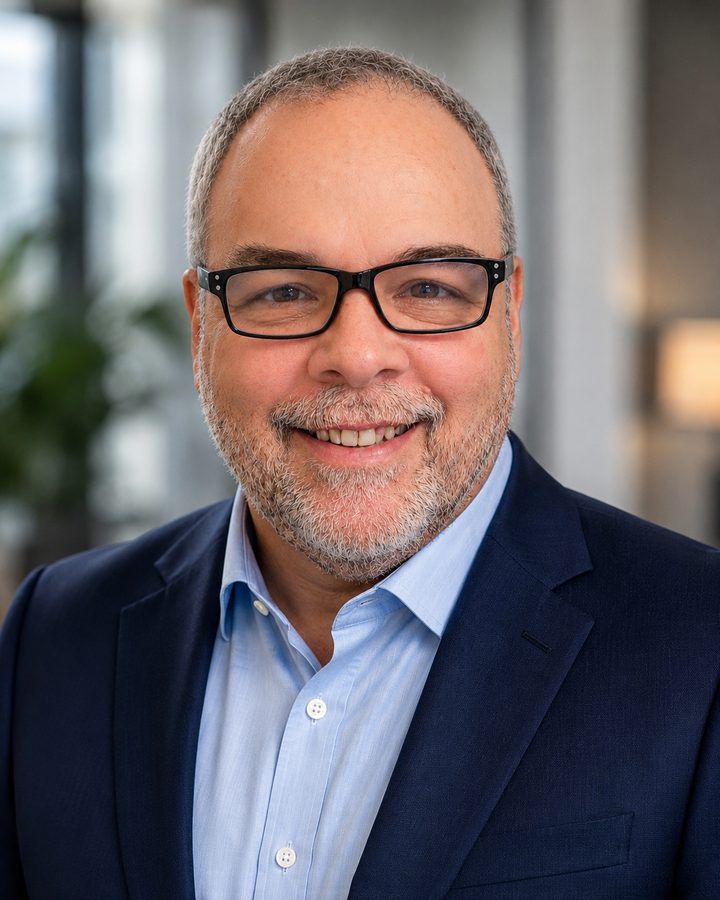
Dr. Gregory Byers
Founder, OGO Notary & Signing Services. 45 years of federal-grade document and operational discipline — Department of Defense, DLA, U.S. State Department. Florida Commissioned Notary Public, NNA-certified Signing Agent, and Ordained Minister. Built on Experience. Grounded in Faith.
More about Dr. Byers